We believe home design should be stylish and distinctive. Contract-grade furniture brings lasting durability to the rooms you use every day, offering pieces designed to stand up to busy households, frequent hosting, and everyday wear without sacrificing style. At Lulu and Georgia, our thoughtfully curated collection of contract pieces brings refined materials and considered design to the spaces where life happens most, from family rooms and dining areas to entryways and bedrooms.
Not sure what style or design best fits your home as you shop for durable furniture? Don’t worry; we have got you covered. Check out the tips below for ideas and inspiration as you choose the best pieces to buy for your space
What Is Contract-Grade Furniture?
Contract furniture refers to pieces designed with added durability in mind. The term is often used for furniture that can meet the demands of frequent use, making it a smart option for busy homes, active families, and rooms that see plenty of daily traffic. While the category is often associated with hospitality or office settings, the appeal at home is simple: you get pieces that are built to last while still supporting a refined, personal design aesthetic.
You may also hear the term commercial grade furniture. In many cases, this refers to furniture made with construction standards, materials, and performance features suited to repeated use. For a home, that can translate into stronger frames, high-durability upholstery, supportive seating, and surfaces that are easier to maintain over time.
How Is Contract Furniture Different From Residential Furniture?
Residential furniture is designed for the home, while contract furniture is made with additional performance expectations. That does not mean one is stylish and the other is purely practical. The best pieces bring both qualities together, offering the comfort and design sensibility you want with the added strength you need.
Commercial grade furniture can be especially useful in the areas of the home that work hardest. Think of a dining room where chairs are pulled in and out every day, a living room where the sofa is used by kids, pets, and guests, or an entryway where a bench serves as a daily landing spot. These pieces are not about making your home feel like a commercial space. They are about choosing furniture with a practical edge for the way you actually live.
What Durability Standards Should You Look For?
When shopping for durable pieces, start with the full construction of the item. Upholstery matters, but so do frame materials, joinery, seat support, cushion fill, leg stability, and the overall weight and feel of the piece. High-traffic area furniture should feel steady, supportive, and well made from every angle.
For dining spaces, contract-grade dining chairs are a natural place to start. Look for a stable frame, comfortable seat height, supportive back, and materials that can handle frequent movement around the table. A chair should be easy to use every day while still designed to bring shape and character to the room.
What Is Rub Count, and Why Does It Matter?
Rub count is one way to understand fabric durability. It measures abrasion resistance, or how well a textile can stand up to repeated friction before showing wear. A higher rub count can be helpful for sofas, dining chairs, benches, and accent seating that will be used often, though it should not be the only detail you consider.
When choosing high-durability upholstered furniture, also look at the texture, weave, fiber content, and care instructions. A durable fabric should support the life of the piece while still feeling inviting. For homes with kids, pets, or frequent entertaining, stain-resistant upholstery can add another layer of protection, helping make spills and everyday messes easier to manage.
What Fabrics Are Best for Busy Rooms?
The best fabric depends on where the piece will live and how often it will be used. For a living room, performance upholstery can help a sofa or chair hold up to lounging, movie nights, and guests. In a breakfast nook or dining room, a tightly woven fabric or easy-clean material can be a smart choice for seating that sees meals, homework, and daily routines.
Texture matters, too. A rich weave can bring depth to a room, while a smoother finish may be easier to maintain. The goal is to choose fabric that fits both the rhythm of your home and the look you want to create.
Show Less
 Adara Bed
From $1,198.00
Adara Bed
From $1,198.00
 Hannah Sideboard
$1,899.00
Hannah Sideboard
$1,899.00
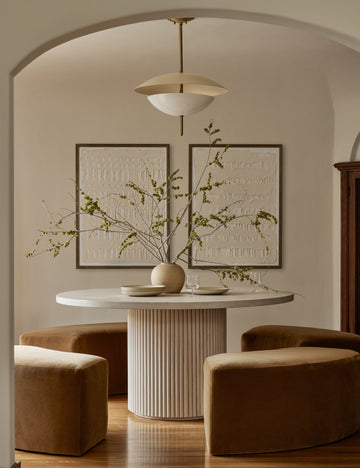 Rutherford Round Dining Table
$1,998.00
Rutherford Round Dining Table
$1,998.00
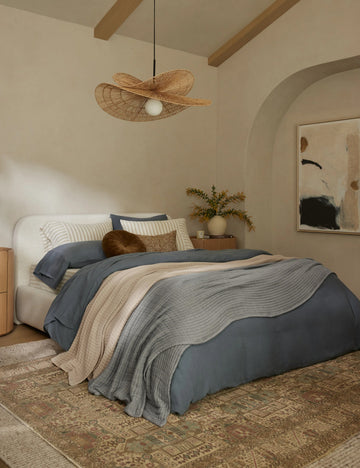 Nabiha Platform Bed
From $1,698.00
Nabiha Platform Bed
From $1,698.00
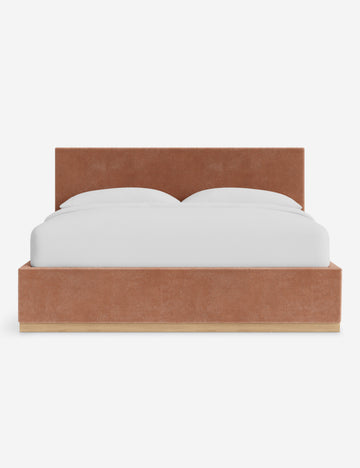 Lockwood Bed by Ginny Macdonald
From $3,448.00
Lockwood Bed by Ginny Macdonald
From $3,448.00
 Fabienne Sofa
From $4,498.00
Fabienne Sofa
From $4,498.00
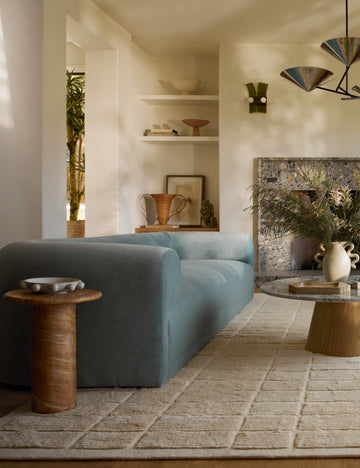 Mona Indoor/ Outdoor Drink Table
$198.00
Mona Indoor/ Outdoor Drink Table
$198.00
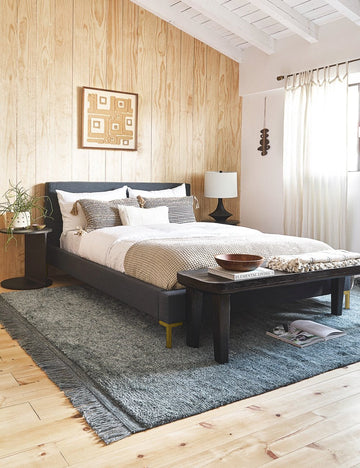 Deva Platform Bed
From $1,270.00
Deva Platform Bed
From $1,270.00
 Clementine Platform Bed
From $1,398.00
Clementine Platform Bed
From $1,398.00
 Suzette Nightstand
$898.00
Suzette Nightstand
$898.00
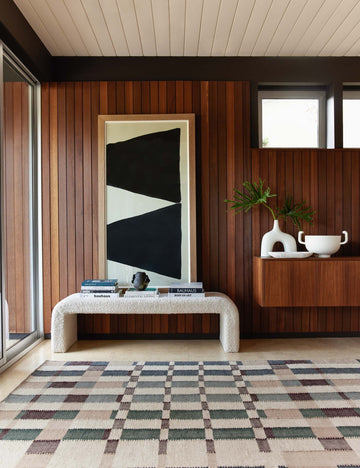 Tate Bench
From $1,248.00
Tate Bench
From $1,248.00
 Hannah Nightstand
$449.00
Hannah Nightstand
$449.00
 Hannah Media Console
$1,149.00
Hannah Media Console
$1,149.00
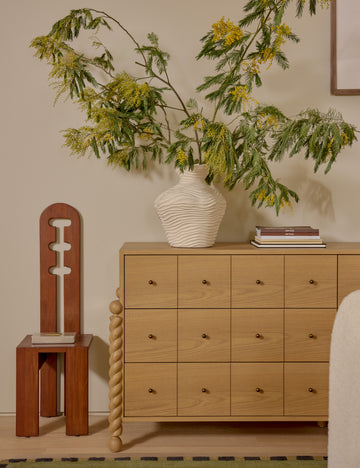 Rivas Foot Stool by Sarah Sherman Samuel
$248.00
Rivas Foot Stool by Sarah Sherman Samuel
$248.00
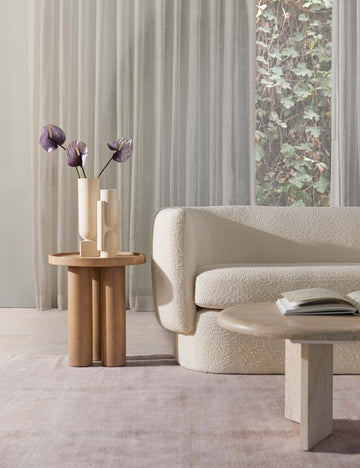 Delta Side Table
$399.00
Delta Side Table
$399.00
 Margie Swivel Chair
From $999.00
Margie Swivel Chair
From $999.00
 Reese Dining Table
From $1,188.00
Reese Dining Table
From $1,188.00
 Raven Side Tables (Set of 2)
$379.00
Raven Side Tables (Set of 2)
$379.00
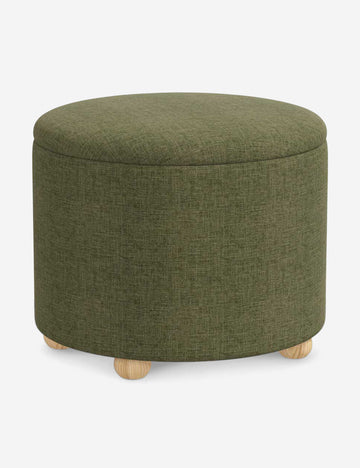 Kamila Storage Ottoman
From $448.00
Kamila Storage Ottoman
From $448.00
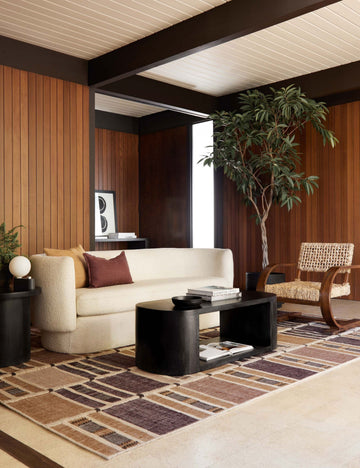 Luna Oval Coffee Table
From $908.60
Luna Oval Coffee Table
From $908.60
 Philana Nightstand
From $998.00
Philana Nightstand
From $998.00
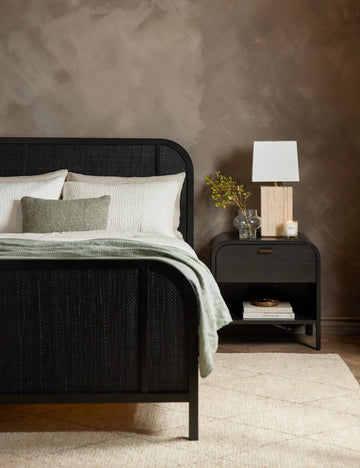 Brooke Platform Bed
From $1,249.00
Brooke Platform Bed
From $1,249.00
 Suzette Wide Dresser
$2,598.00
Suzette Wide Dresser
$2,598.00
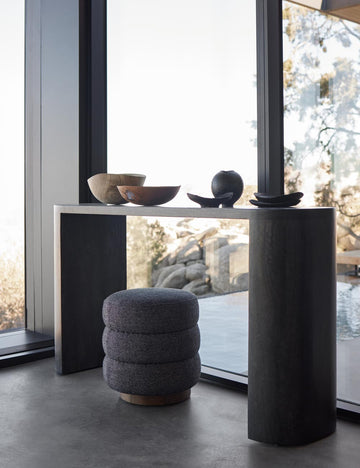 Luna Console Table
From $1,048.60
Luna Console Table
From $1,048.60
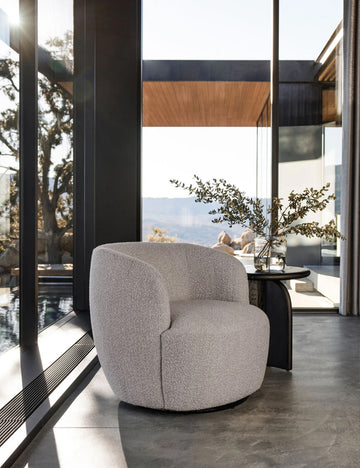 Rue Swivel Chair
From $1,198.00
Rue Swivel Chair
From $1,198.00
 Alair Round Ottoman
From $598.00
Alair Round Ottoman
From $598.00
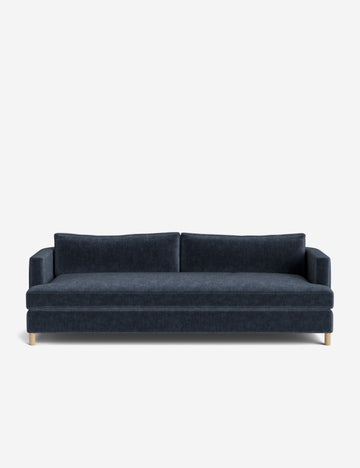 Belmont Sofa by Ginny Macdonald
From $3,298.00
Belmont Sofa by Ginny Macdonald
From $3,298.00
 Brahm Stool by Aimee Song
$398.00
Brahm Stool by Aimee Song
$398.00
 Ripple Nightstand by Sarah Sherman Samuel
$998.00
Ripple Nightstand by Sarah Sherman Samuel
$998.00
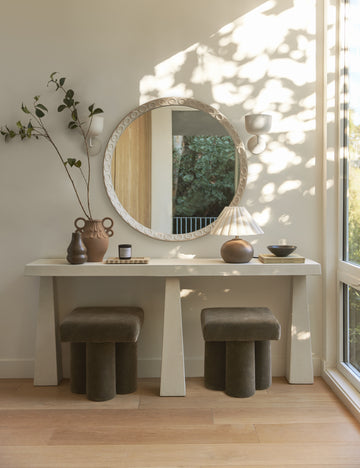 Clover Stool by Sarah Sherman Samuel
$598.00
Clover Stool by Sarah Sherman Samuel
$598.00
 Nycola Extendable Oval Dining Table
From $2,598.00
Nycola Extendable Oval Dining Table
From $2,598.00
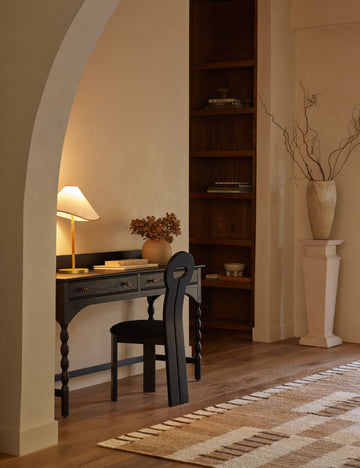 Topia Console Table by Ginny Macdonald
$1,998.00
Topia Console Table by Ginny Macdonald
$1,998.00
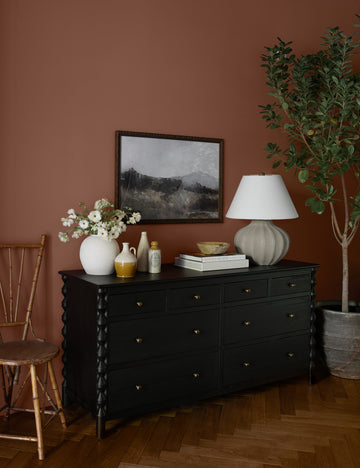 Topia 8-Drawer Dresser by Ginny Macdonald
$2,998.00
Topia 8-Drawer Dresser by Ginny Macdonald
$2,998.00


